Your Cart is Empty



Sold Out
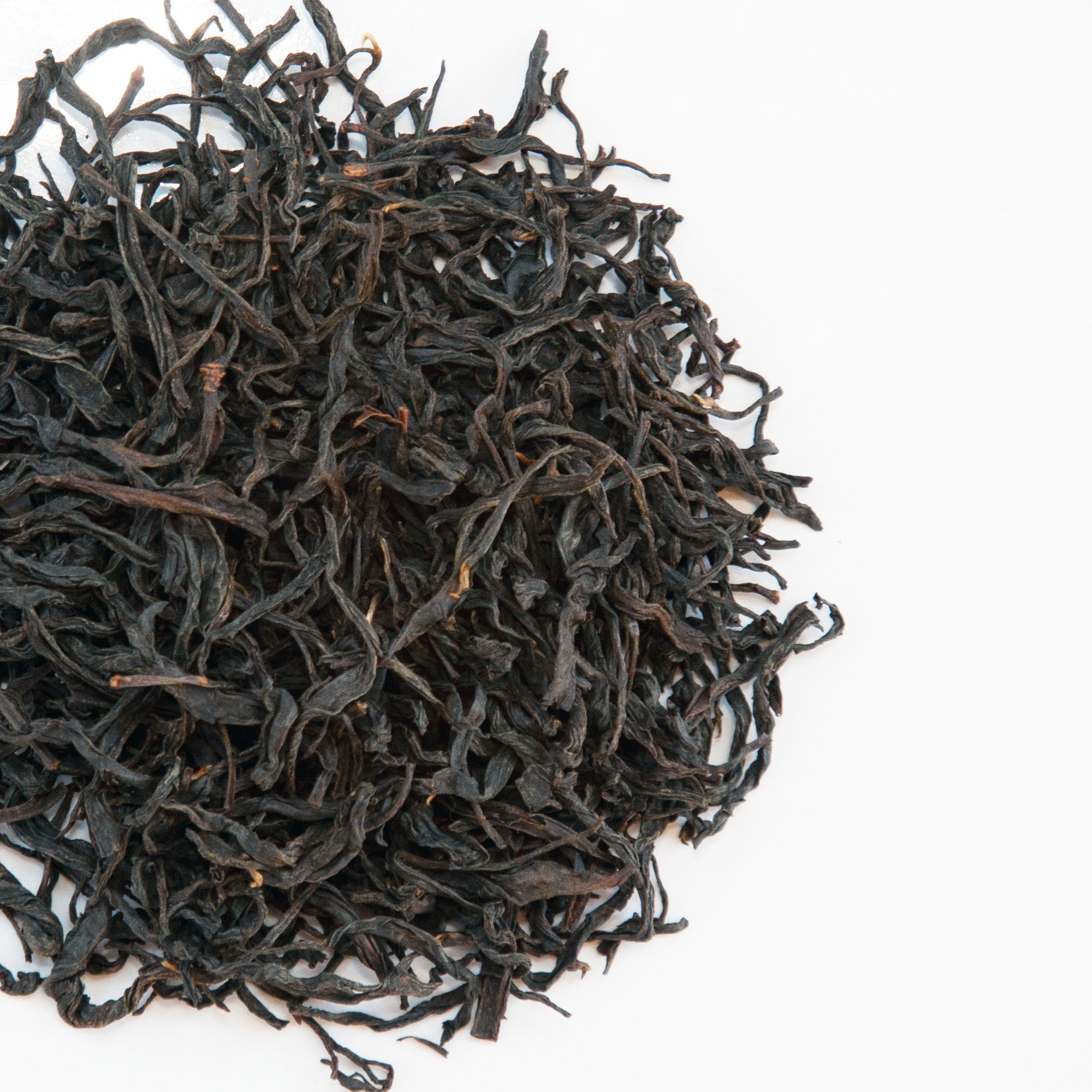
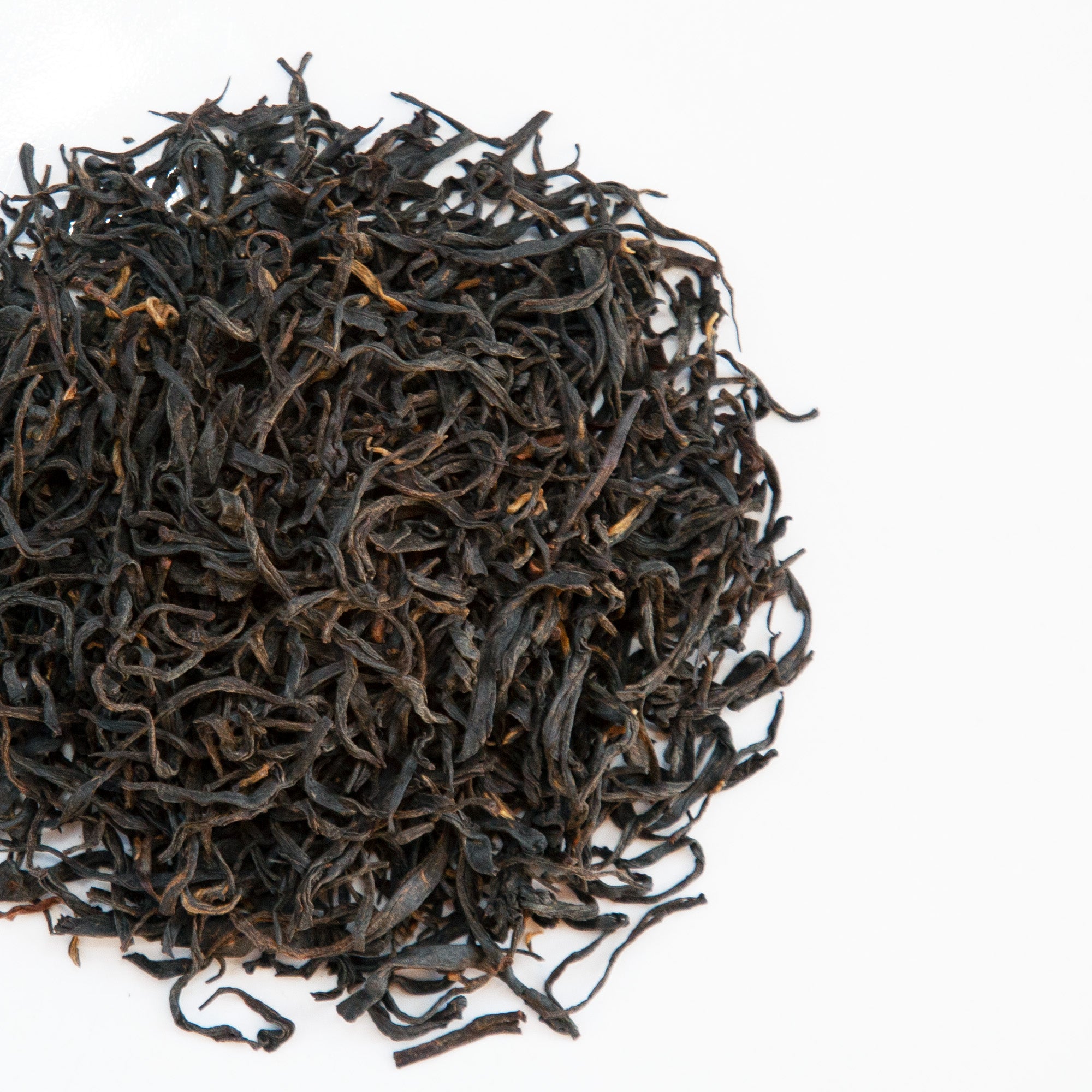
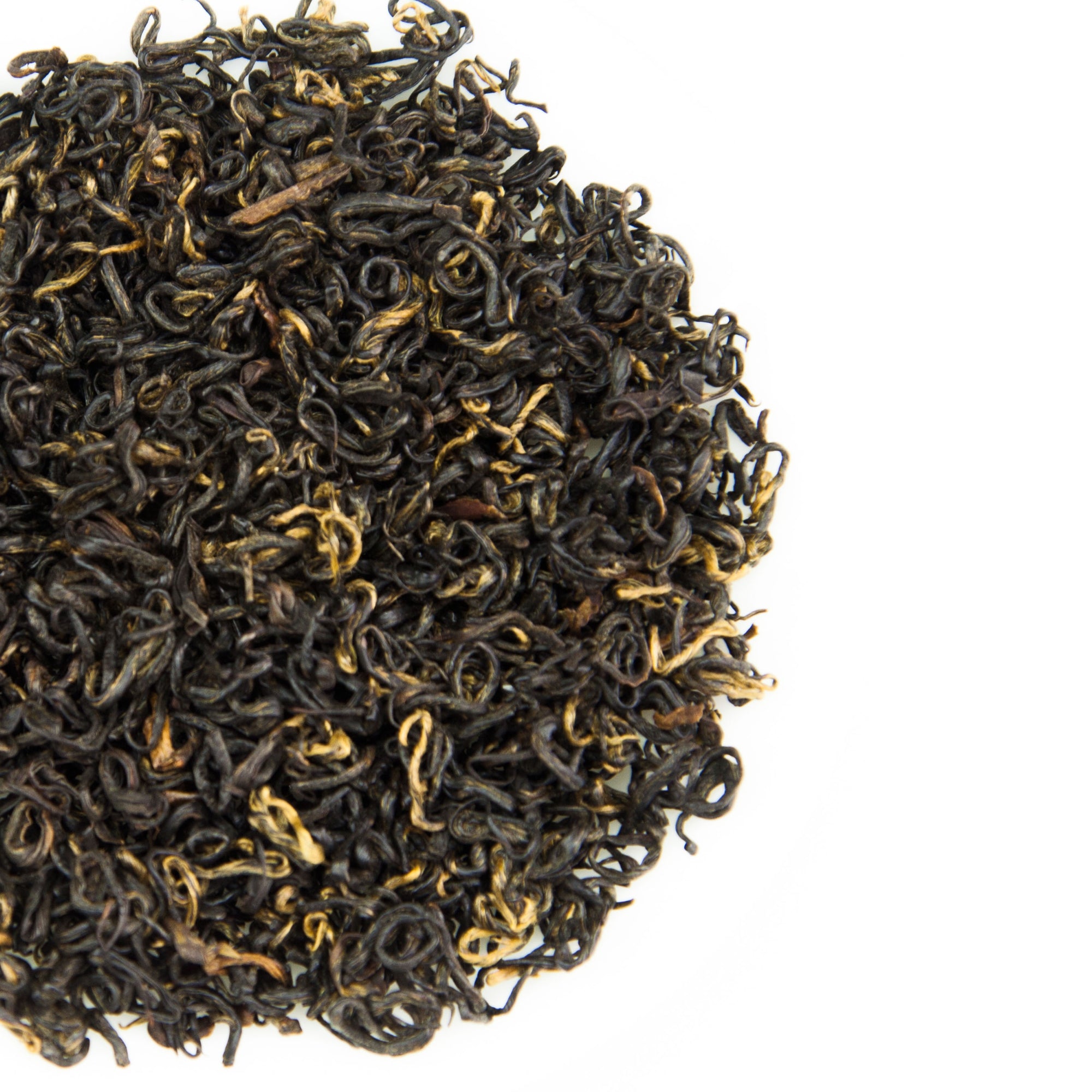
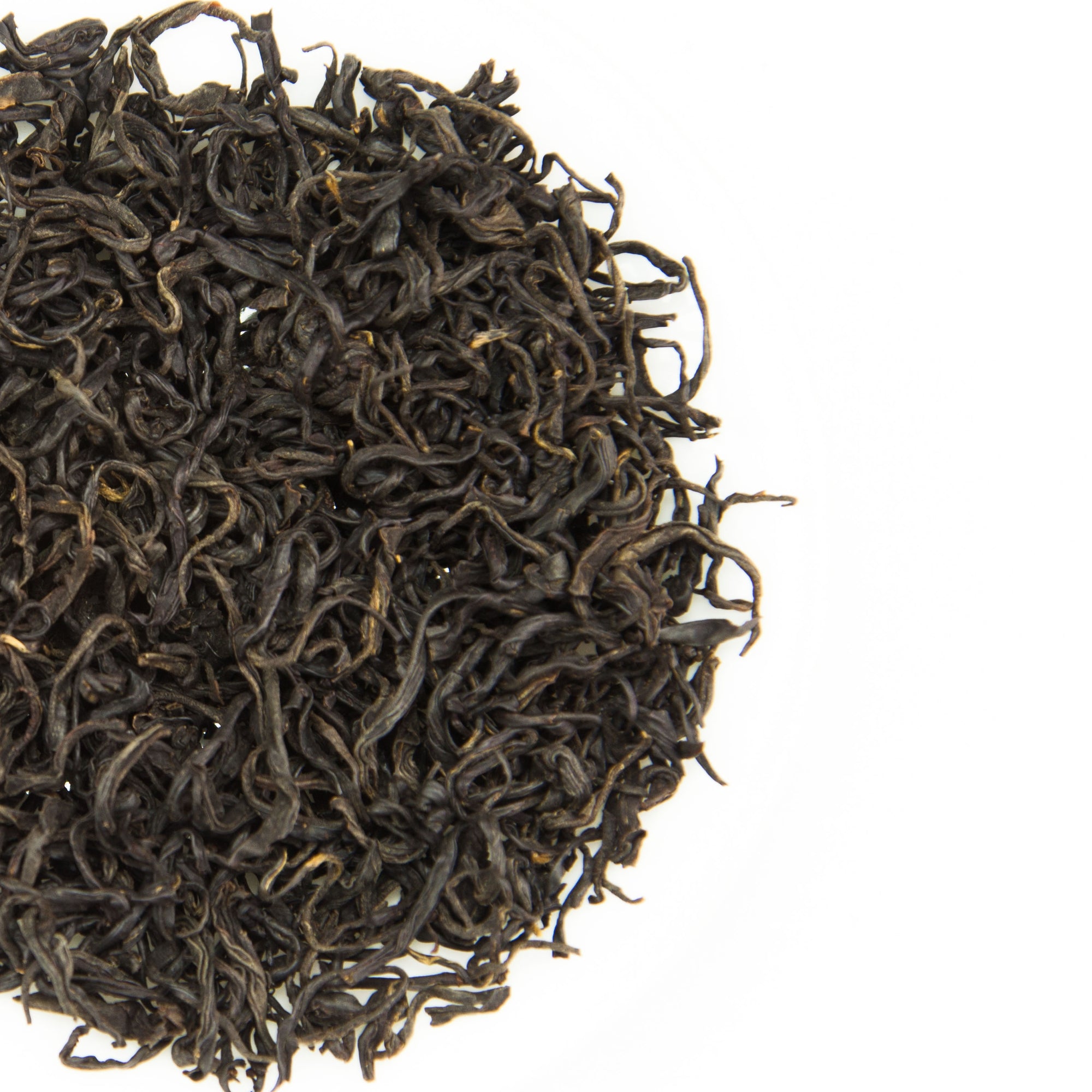
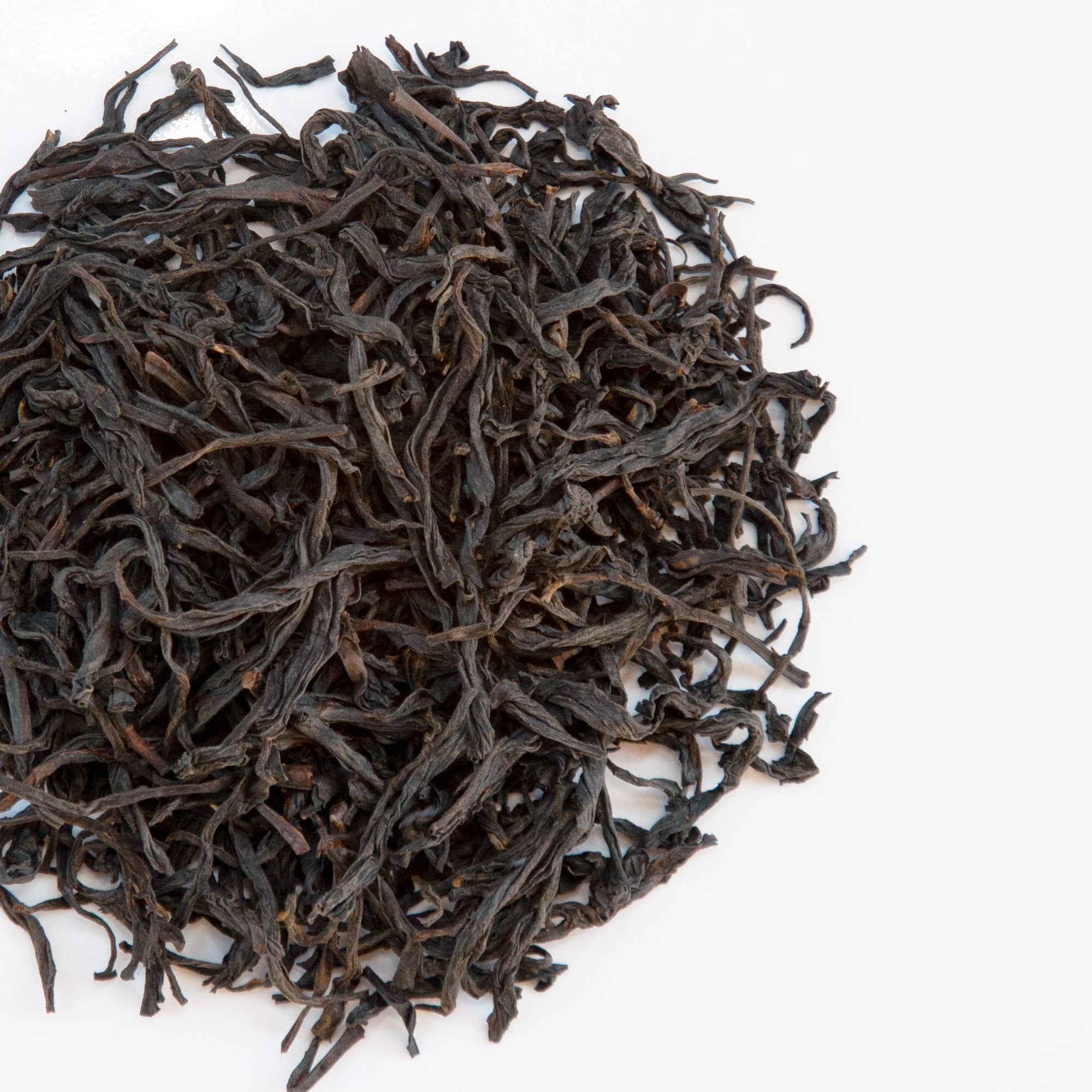
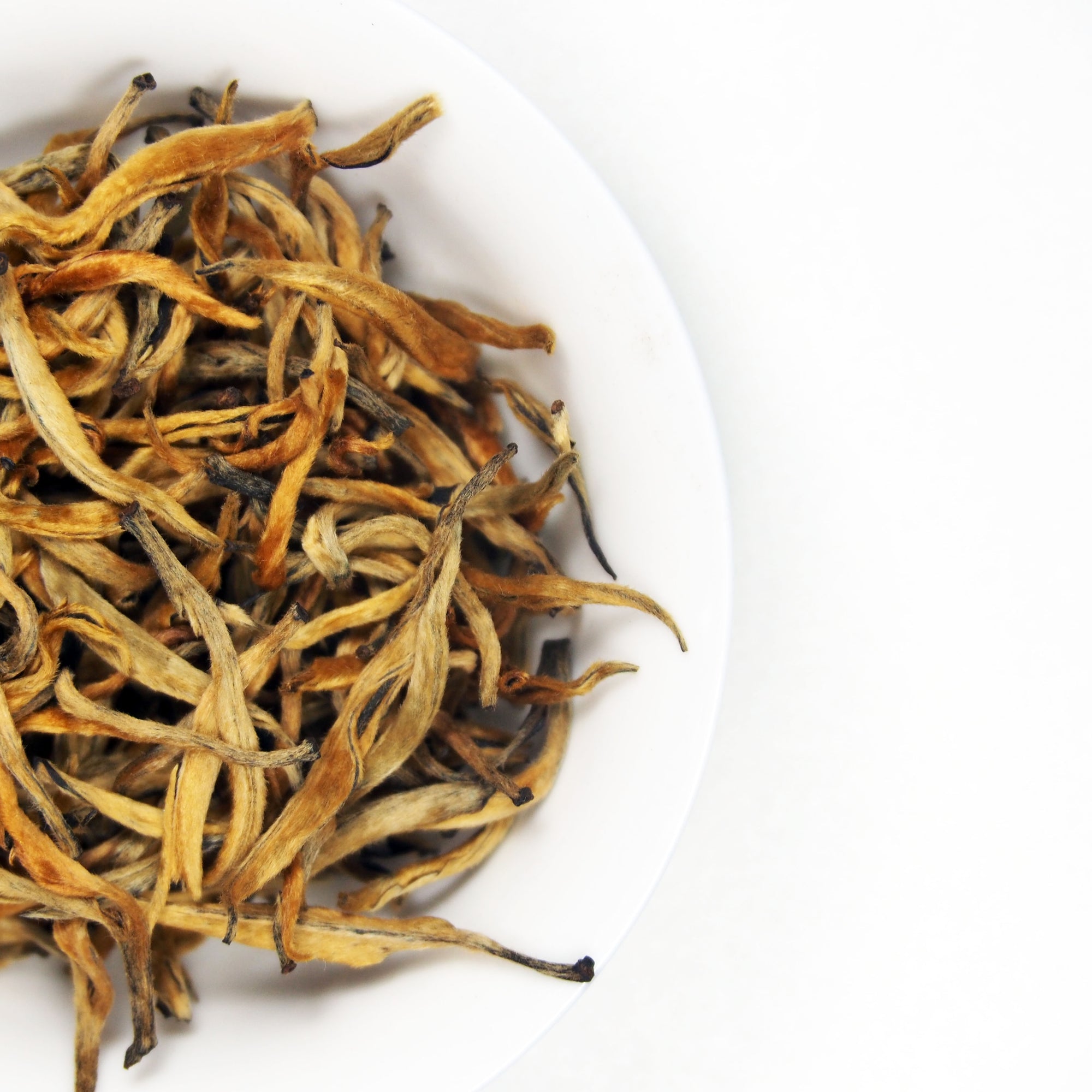
2025 Spring Wu Liang Mountain 800-Year Ancient Trees Sun-Dried Red Tea - A wildly charismatic wild Red Tea
This wild Red Tea comes from Qianjiazhai in Wuliang Mountain. It is made from the first-spring leaves of ancient wild tea trees estimated to be around 800 years old. Surrounded by pristine ecology, the tea trees are scattered throughout the primeval forest. With such an ideal natural environment, the tea quality is exceptional, full of wild charm.
Being wild tea tree, this is not standard Camellia Sinensis vs Assamica, but from truly wild tea tree varietals that grow naturally in forests and mountainous areas without human intervention. There is a difference in character from cultivated tea, the flavour that a distinctive “wild” aroma, thick mouthfeel, and lingering sweetness. The qi is very deep, also beginning in a subtle manner but creeping up as you drink it. Ends the session coating the mouth and throat and lingering nicely.
What makes this tea so special?
It has a unique floral and honeyed aroma—rich and expressive, a signature of ancient wild tea trees. The liquor is delicate, silky, and sweet. The moment it enters one's mouth, intense floral and fruity notes blend with honey sweetness, filling the palate. Instantly one can experience sweetness like honey and fragrance like orchids.
Selected from 800-year ancient wild tea trees, this tea carries an unrestrained mountain character. These ancient trees grow deep within the virgin forest at altitudes above 2,000 meters. The rugged terrain, fertile reddish-yellow soil, abundant sunlight year-round, and mild climate allow the trees to sprout only once each spring. With limited yield and exceptional quality, the tea is truly precious.
Using traditional sun-dried red-tea craftsmanship, the tea preserves its natural vitality and pure essence of nature. It’s enjoyable now or for storage - rich yet gentle, never harsh, and becomes even sweeter and smoother with time.
The first and second infusions carry a faint orchid fragrance—subtle yet delightful, inviting you to sip immediately. From the third infusion onward, the sweetness, smoothness, and wild mountain energy of this black tea become fully apparent. A light sip is refreshing, never cloying, yet carries a honeyed warmth that settles into the heart. The aroma lingers in the mouth long after swallowing—enduring and memorable.
TEA ORIGIN: QianjiaZhai, Wu Liang Mountain, Yunnan Province, south-west of China.
CULTIVAR: Wild Tea Trees.
HARVEST TIME AND PROCESS: one bud and 2-3 tender leaves are hand-plucked in April 2025. Young leaves are withered, gently rolled, fully oxidised, then placed on bamboo trays to be dried in the sun.
STORAGE: This tea can be stored for long time due to the enzyme activity in the tea leaves are preserved during the sun-dry process. The tea will develop deeper and richer flavour. Tea must be kept in cool (but not inside fridge), dark and dry atmosphere and in a tightly sealed container.
BREWING TIPS
Normal approach:
100˚C | 1g for 100ml | infuse for 2 mins | refill water for more brews
Gong Fu Approach:
Water temperature: 95˚C - 100˚C
Teaware: I would recommend using porcelain Gaiwan or porcelain teapot to preserves the tea’s aroma and allow precise control over steeping.
Leaves to water ratio: 5g for 100ml
1st & 3rd infuse: 10 secs; 4th & 6thinfuse: 20 secs
Later infuse: 45 secs or adjust to your taste
Gongfu brewing yields quite a different taste profile from the normal way. Infusion time is quite critical to get the right sweet flavour. Do experiment with this tea and see which suits your preference better.